Ever wondered how the best League of Legends players are determined, and who currently reigns supreme? Understanding the ever-shifting landscape of League of Legends player rankings can be a daunting task, but knowing the systems and the players helps you understand the esport and improve your own game. From solo queue grinders to professional superstars, we’ll break down the different ways players are ranked and highlight some of the names you should know.
At a glance:
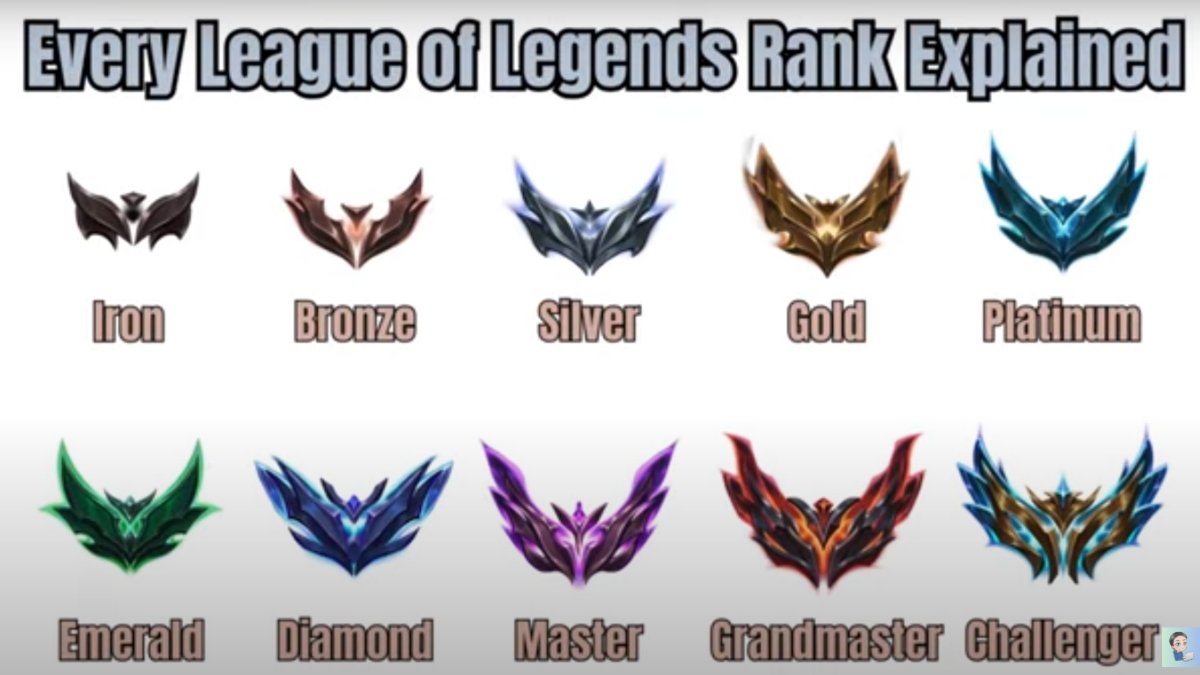
- League of Legends uses a tiered ranking system, from Iron to Challenger, primarily based on Ranked play.
- Leaderboards track top players in each region, providing a snapshot of the competitive scene.
- Professional players are often ranked based on their performance in organized leagues like LCS, LEC, LCK, and LPL.
- Third-party websites offer alternative ranking systems, often incorporating statistics and win rates.
- Understanding these rankings can inform your spectating and even your own climb in the ladder.
The Core Ranking System: Climbing the Ladder
The foundation of League of Legends player rankings is the in-game Ranked system. This is how most players experience competition and track their progress. It consists of several tiers, each divided into divisions, that you must climb through. This will determine your lol rating.
- Tiers: Iron, Bronze, Silver, Gold, Platinum, Emerald, Diamond, Master, Grandmaster, and Challenger.
- Divisions: Most tiers (except Master, Grandmaster, and Challenger) have four divisions, from IV to I.
- LP (League Points): You earn LP by winning games, and lose LP by losing. Accumulate 100 LP in a division to play a promotion series to climb to the next.
The ultimate goal for many players is to reach Challenger, the highest tier, where only the very best reside. Thinking about joining them? Climb the Challenger Ladder.
How Ranked Games Work
Ranked games are the battleground where players prove their skill and climb the ladder. Here’s a quick rundown:
- Matchmaking: The system tries to match you with and against players of similar rank.
- Role Selection: You choose your preferred roles before queuing, increasing your chances of playing the position you want.
- Winning & Losing: Winning grants LP, while losing deducts LP. Consistent wins lead to promotions, consistent losses lead to demotions.
- Seasons: Ranked seasons reset periodically, giving everyone a chance to climb anew.
Leaderboards: Spotlighting the Best
While the Ranked system provides a general hierarchy, leaderboards offer a more granular view of the top players. Sites like OP.GG and League of Graphs track summoners and present regional rankings.
These leaderboards typically display:
- Summoner Name: The player's in-game name.
- Rank: Their current tier and division.
- LP: The amount of League Points they have.
- Win Rate: A percentage representing their success rate in Ranked games.
- Most Played Champions: The champions they play most frequently.
Looking at leaderboards, you’ll notice many players using unconventional naming schemes or even displaying mastery of only a few champions, which you can use to improve your gameplay. It's always worth looking up some Top LoL Players Ranked Here.
Beyond the Game: Third-Party Ranking Systems
Numerous websites and communities offer their own League of Legends player rankings, using various metrics and algorithms. These rankings often go beyond simple win/loss records and attempt to factor in individual performance, consistency, and impact on the game. lol ranking ladder is a good thing to understand if you want to improve.
Examples of Metrics used:
- KDA (Kills, Deaths, Assists): A common indicator of a player's combat performance.
- CS (Creep Score): Reflects a player's ability to farm gold efficiently.
- Vision Score: Measures a player's contribution to warding and map control.
- Damage Dealt/Taken: Indicates a player's aggression and survivability.
Professional Play: The Pinnacle of Competition
While Ranked showcases individual skill, professional play represents the highest level of League of Legends competition, with teams battling in regional leagues and international tournaments. These professional players have access to resources to help them practice, such as coaches and analysts.
Key Professional Leagues:
- LCS (North America): The premier league in North America. If you want to Climb the LoL NA Ranks, you should study these players.
- LEC (Europe): The top league in Europe. For comparison, you can Climb the EUW LoL Ladder.
- LCK (Korea): Widely considered the strongest region, home to multiple World Champions.
- LPL (China): A rapidly growing region with a unique and aggressive playstyle.
Professional players are typically ranked based on their team's performance, individual statistics, and overall impact. Sites like GGScore aim to quantify this.
Ranking Professional Players: A Different Game
Ranking professional players isn't as simple as looking at a leaderboard. Here are some key factors:
- Team Success: A player's ranking is heavily influenced by their team's performance in their respective league. Winning championships and reaching international tournaments significantly boosts a player's reputation.
- Individual Statistics: KDA, CS, vision score, and other statistics still matter, but they're often contextualized by the player's role and team strategy.
- Consistency: Maintaining a high level of play over an extended period is crucial. Flash-in-the-pan performances are less valued than consistent excellence.
- Impact on the Game: Some players have a unique ability to influence the game beyond statistics. This could be through shotcalling, playmaking, or simply creating pressure on the map.
The Ever-Evolving Meta: How Champions Impact Rankings
The League of Legends meta (the dominant strategies and champion picks) is constantly shifting due to patches, item changes, and evolving player preferences. This has a big impact on league of legends player rankings. A player who excels on a specific champion may see their ranking rise when that champion is strong, and fall when it is nerfed.
How the Meta Impacts Rankings:
- Champion Strength: Certain champions become overpowered (OP) or underpowered (UP) based on balance changes.
- Popularity: Some champions become more popular due to their perceived strength or playstyle.
- Counter-Picking: Understanding how to counter popular champions is crucial for success.
- Adaptation: The best players are able to adapt to the changing meta and master new champions quickly.
Misconceptions About Rankings
It's easy to fall into common traps when analyzing League of Legends player rankings. Here are a few misconceptions to avoid:
- Rank = Skill: While rank is a general indicator of skill, it's not a perfect measure. Factors like teamwork, luck, and champion mastery can influence your rank.
- High Elo = Perfect Play: Even Challenger players make mistakes. The difference is that they make fewer mistakes and capitalize on their opponents' errors more effectively.
- One-Tricking is Key: While mastering a single champion can help you climb, it can also make you predictable and vulnerable to counter-picks. Versatility is valuable.
- Ranked is Everything: While Ranked is a core part of League of Legends, it's not the only way to enjoy the game or improve your skills. Normal games, ARAM, and other modes can also be valuable learning experiences. The Arena is a great place to test your skill, so Top LOL Arena Rankings.
Improving Your Own Ranking: Tips and Tricks
If you're looking to improve your own League of Legends ranking, here are a few actionable tips:
- Focus on Fundamentals: Master the basics of farming, warding, map awareness, and objective control.
- Specialize, then Diversify: Start by mastering 2-3 champions in your preferred role, then gradually expand your champion pool.
- Watch Replays: Analyze your own games to identify mistakes and areas for improvement.
- Learn from Pros: Watch professional players and streamers to learn new strategies and techniques.
- Stay Positive: Tilt is real. Maintain a positive attitude and avoid getting discouraged by losses.
- Team Up: Playing with friends can improve communication and coordination, increasing your chances of winning. Communication is key to a lot of the NA ladder LOL analysis.
Where to Find the Latest Rankings
Staying up-to-date on League of Legends player rankings requires a bit of research. Here are some resources to consult:
- OP.GG: A popular website for tracking player statistics and leaderboards.
- League of Graphs: Offers detailed data and analytics on champion performance and player trends.
- U.GG: Provides tier lists, champion guides, and player rankings.
- ProGuides: Offers coaching and tutorials from professional players.
Conclusion: The Pursuit of Improvement
League of Legends player rankings are a dynamic and ever-changing reflection of skill, strategy, and the meta. Whether you're aiming for Challenger or simply looking to improve your game, understanding these rankings can provide valuable insights and motivation. Remember that ranking is just one aspect of the game, so lol players ranked has plenty of room to grow. Focus on continuous improvement, enjoy the process, and you'll see your ranking climb.