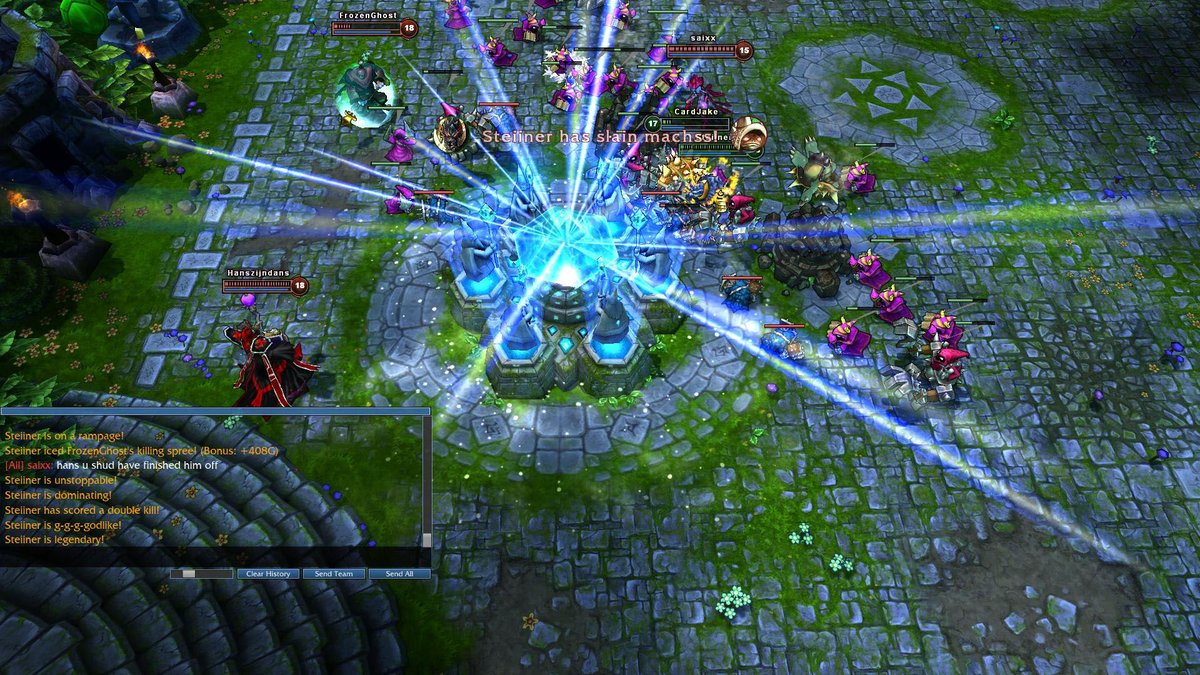
Ever wondered how a free-to-play game like League of Legends generates billions in revenue? It's not just about selling champions; it's a carefully orchestrated ecosystem that keeps players engaged and spending. The key is to offer value that enhances the core gameplay experience without creating unfair advantages. The game continues to be popular, and the revenue streams reflect that.
At a glance:
- Understand the core sources of LoL's revenue: in-game cosmetics, battle passes, and esports.
- Learn how Riot Games balances monetization with a free-to-play model to avoid "pay-to-win."
- Explore the impact of Wild Rift on the overall Lol revenue picture.
- Identify the key factors driving continued spending in League of Legends.
- See how Riot expands the League of Legends IP to generate additional revenue streams.
The Core of Lol Revenue: Beyond the Game Itself
League of Legends' phenomenal success stems from its strategic approach to monetization. It's primarily a free-to-play game, meaning anyone can download and play without spending a dime. So, how does it make money? The answer lies in optional in-game purchases that enhance the player experience without impacting gameplay balance. The primary revenue drivers are cosmetic items and battle passes.
League has an enduring popularity which allows it to continue to make revenue. Riot Games doesn't release precise breakdowns, but we can infer from industry trends and available data approximate contributions.
Cosmetic Items: Looking Good While Slaying
The most significant revenue stream for League of Legends comes from cosmetic items, primarily champion skins. These skins change the visual appearance of a champion, adding a layer of personalization and expression.
- Champion Skins: Skins range in price depending on their complexity and rarity. Some simply change the champion's colors, while others feature entirely new models, animations, and sound effects. Players are willing to pay for skins that represent their favorite champions or match their personal style.
- Chromas: These are variations of existing skins, offering different color palettes to further customize a champion's appearance. Chromas are often bundled with skins or available through in-game events.
- Emotes: Expressive animations players can use to communicate with teammates and opponents during matches.
- Ward Skins: Change the appearance of the wards players place on the map for vision.
- Summoner Icons: Profile pictures that players can display to show off their personality or achievements.
Example: A player who mains the champion "Lux" might purchase multiple skins for her, each with a different theme or aesthetic. The player is not gaining a competitive advantage; they are simply enjoying the game more by playing their favorite champion in a visually appealing way.
Battle Passes (Events): Engagement Drives Spending
Riot Games introduces "battle passes" (often tied to in-game events) that offer players a series of challenges and rewards. These passes provide a structured way for players to earn cosmetic items, in-game currency, and other perks by playing the game.
- Free vs. Premium: Battle passes typically have a free tier and a premium tier. The free tier offers a limited number of rewards, while the premium tier unlocks access to a much larger pool of exclusive content. Players who purchase the premium pass can earn all the rewards by completing challenges and leveling up their pass.
- Limited-Time Content: Battle passes are typically tied to specific events or themes, such as a new champion release or a seasonal celebration. This creates a sense of urgency and encourages players to purchase the pass before it expires.
- Engagement Loop: Battle passes encourage players to play the game more frequently and complete specific challenges. This increased engagement can lead to higher spending on other in-game items.
Example: During a "Star Guardian" event, Riot Games might release a battle pass that allows players to earn Star Guardian-themed skins, emotes, and icons. Players who purchase the premium pass and complete the challenges can unlock all the exclusive Star Guardian content.
Esports and Merchandise: Extending the Reach
While in-game purchases are the primary revenue driver, Riot Games also generates income through esports and merchandise.
- Esports Revenue: League of Legends has a thriving esports scene, with professional leagues and tournaments around the world. Riot Games generates revenue through sponsorships, broadcasting rights, and in-game items related to esports teams.
- Merchandise: Riot Games sells a variety of merchandise, including clothing, accessories, and collectibles featuring League of Legends characters and logos. This allows fans to express their love for the game and support Riot Games.
Example: The League of Legends World Championship is one of the most-watched esports events in the world. Riot Games generates significant revenue through sponsorships and broadcasting rights for the event. Players can also purchase in-game items, such as team-themed skins, to support their favorite teams.
Wild Rift: Expanding the Mobile Footprint
League of Legends: Wild Rift is the mobile version of the game, released in 2020. Wild Rift has quickly become a significant revenue stream for Riot Games.
- Mobile Market: Wild Rift allows Riot Games to tap into the massive mobile gaming market, reaching players who may not have access to a PC or console.
- Simplified Gameplay: Wild Rift features a simplified version of League of Legends gameplay, making it more accessible to mobile gamers.
- Similar Monetization: Wild Rift uses a similar monetization model to League of Legends, with players able to purchase cosmetic items and battle passes. As of August 2023, it had surpassed $1 billion in lifetime player spending.
Key takeaway: Wild Rift broadens the Lol revenue base by offering a convenient and accessible mobile alternative. This ensures that players can engage with the League of Legends universe on the go, contributing to the overall revenue stream.
Balancing Act: Free-to-Play vs. Pay-to-Win
Riot Games is careful to avoid "pay-to-win" mechanics in League of Legends. While players can purchase items that enhance their experience, these items do not provide a competitive advantage. Champions can only be purchased with in-game currency earned through playing the game, or with Riot Points.
- Cosmetic Focus: The vast majority of purchasable items are cosmetic, meaning they only change the appearance of the game.
- Accessibility: All champions are eventually available to purchase with in-game currency earned through gameplay, ensuring that all players have access to the same characters.
- Fairness: Riot Games actively monitors the game for any potential imbalances caused by in-game purchases and makes adjustments as needed.
Why this matters: By avoiding pay-to-win mechanics, Riot Games maintains a fair and competitive environment for all players, regardless of how much money they spend. This is crucial for the long-term success of the game.
Key Factors Driving Continued Spending
Several key factors contribute to the continued spending in League of Legends:
- High Engagement: League of Legends is a highly engaging game that keeps players coming back for more. The competitive gameplay, diverse champion roster, and frequent updates provide a constant stream of new content and challenges.
- Social Aspect: League of Legends is a social game that encourages players to connect with friends and form communities. This social aspect can lead to increased spending, as players may want to purchase items to show off their style or support their favorite teams.
- Personalization: The ability to customize champions and accounts with cosmetic items allows players to express their personality and stand out from the crowd. This personalization is a powerful driver of spending.
Practical example: A player who has been playing League of Legends for several years may have accumulated a large collection of skins and other cosmetic items. They are invested in the game and are more likely to continue spending money to expand their collection and support the game.
Lol Revenue Streams: A Snapshot
Here’s a simplified view of the primary sources of Lol revenue:
| Revenue Source | Description | Impact on Gameplay |
|---|---|---|
| Champion Skins | Visual changes to champions; various tiers of rarity and complexity. | None |
| Chromas | Color variations of existing skins. | None |
| Battle Passes/Events | Time-limited challenges and rewards; free and premium tiers. | None |
| Esports (Sponsorship) | Revenue from professional leagues, tournaments, and broadcasting rights. | Indirectly |
| Merchandise | Physical goods like clothing, accessories, and collectibles. | None |
| Wild Rift | Mobile version of League of Legends with similar monetization model. | None |
Quick Answers: Lol Revenue FAQs
Q: Is League of Legends pay-to-win?
A: No. The game is designed to be fair, and while you can spend money on cosmetic items, these don't give you a competitive edge. All champions are obtainable through gameplay.
Q: What's the biggest source of Lol revenue?
A: Champion skins and other cosmetic items are the primary drivers of revenue, followed by battle passes and esports-related content.
Q: How does Wild Rift contribute to Lol revenue?
A: Wild Rift expands the League of Legends player base to mobile gamers, offering a new avenue for revenue generation through in-app purchases.
Q: Does Riot Games release detailed revenue reports?
A: No, Riot Games doesn't typically disclose detailed revenue breakdowns for specific games.
Actionable Close: Understanding and Appreciating Lol Revenue
The success of League of Legends proves that a free-to-play game can be incredibly profitable if monetization is handled thoughtfully. The focus on cosmetic items, engaging events, and a commitment to fairness ensures that players feel valued. This approach allows Riot Games to generate substantial Lol revenue while maintaining a positive relationship with its player base. League's enduring popularity, partly driven by this approach, supports the game's financial success. League of Legends has set a high standard for free-to-play monetization, and its continued success demonstrates the effectiveness of its model.